
BIM, VDC and DRONE SERVICES
Advancing Construction with BIM & Drone Technology
At TRICO, we push the boundaries of construction by seamlessly integrating Building Information Modeling (BIM) with advanced drone surveys and aerial imagery. This innovative approach fosters collaboration, allowing us to tailor projects to your specific needs. Our FAA Part 107 certified remote pilots capture high-resolution data, which is meticulously integrated into the BIM model by our experienced BIM services team.
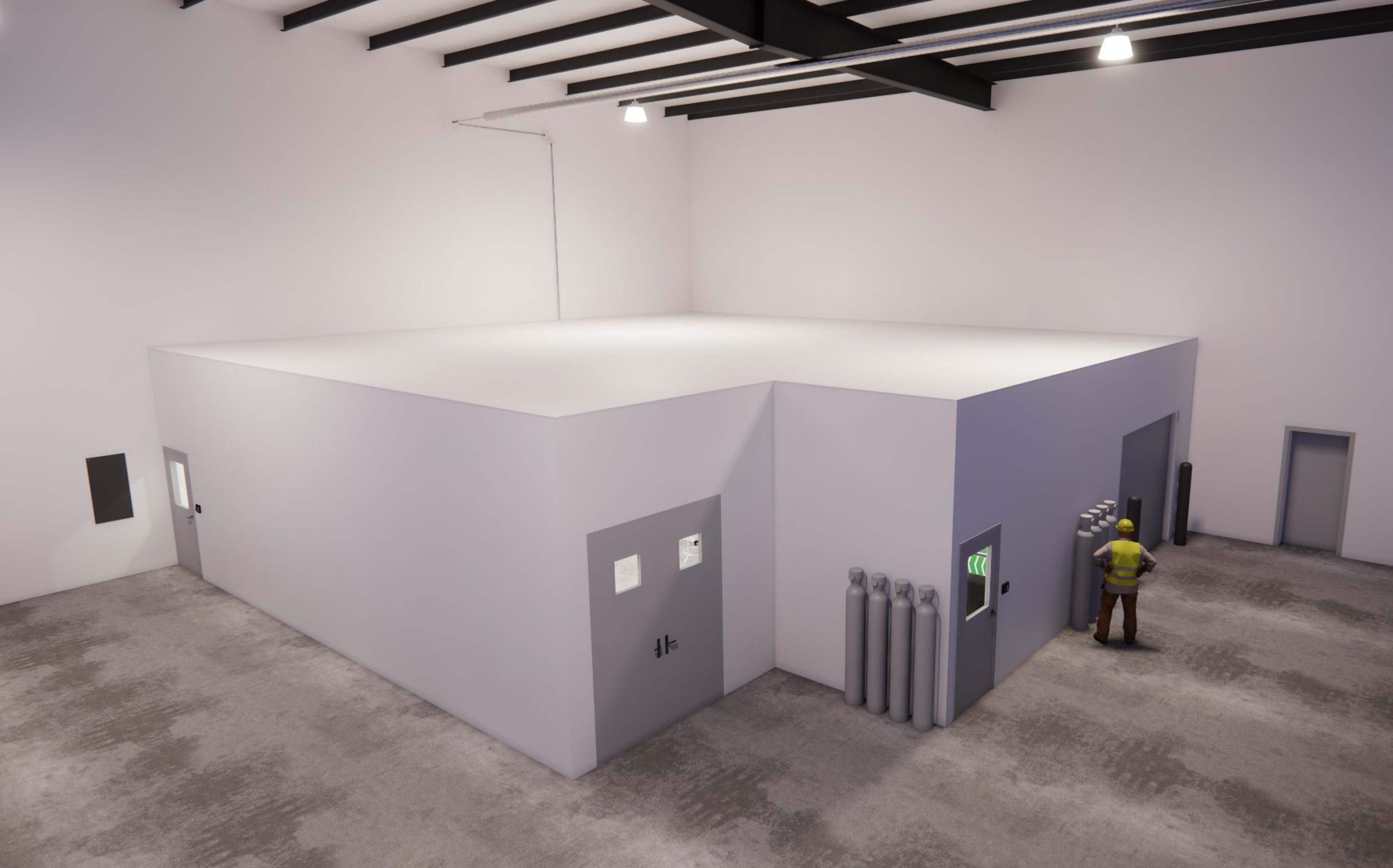
BUILDING INFORMATION MODELING (BIM)
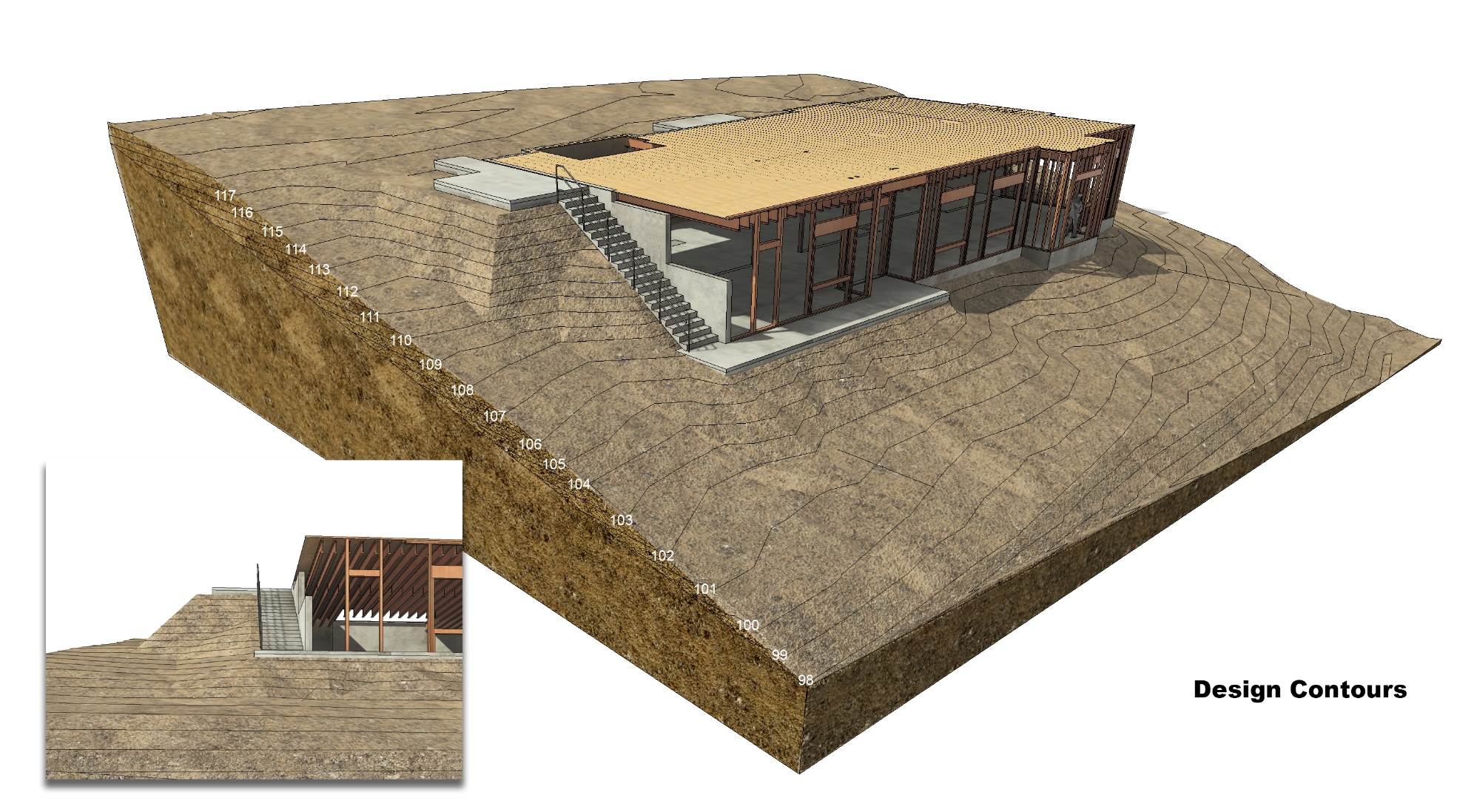
VIRTUAL DESIGN AND CONSTRUCTION (VDC)
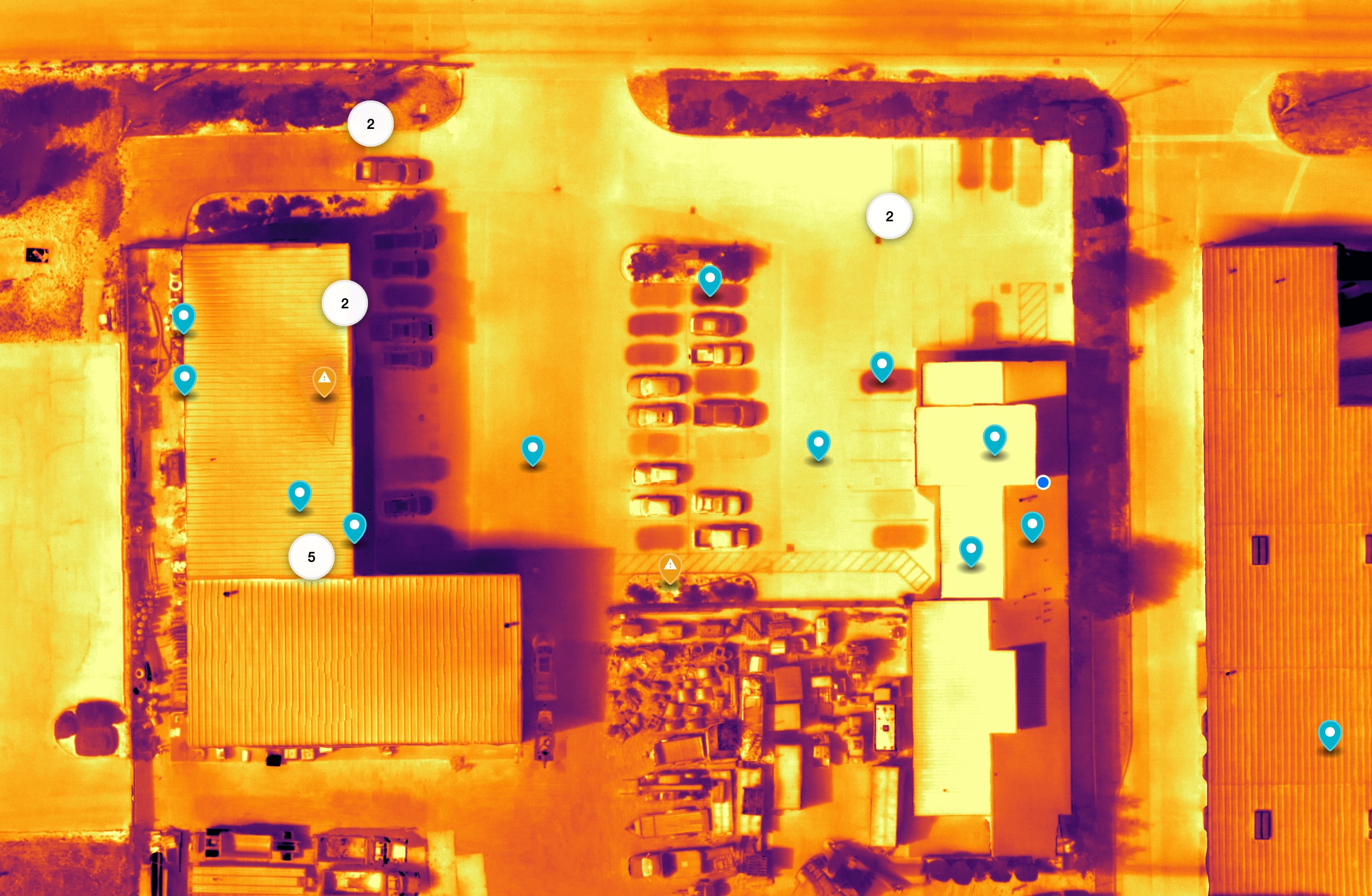
DRONE SERVICES AND AERIAL IMAGERY
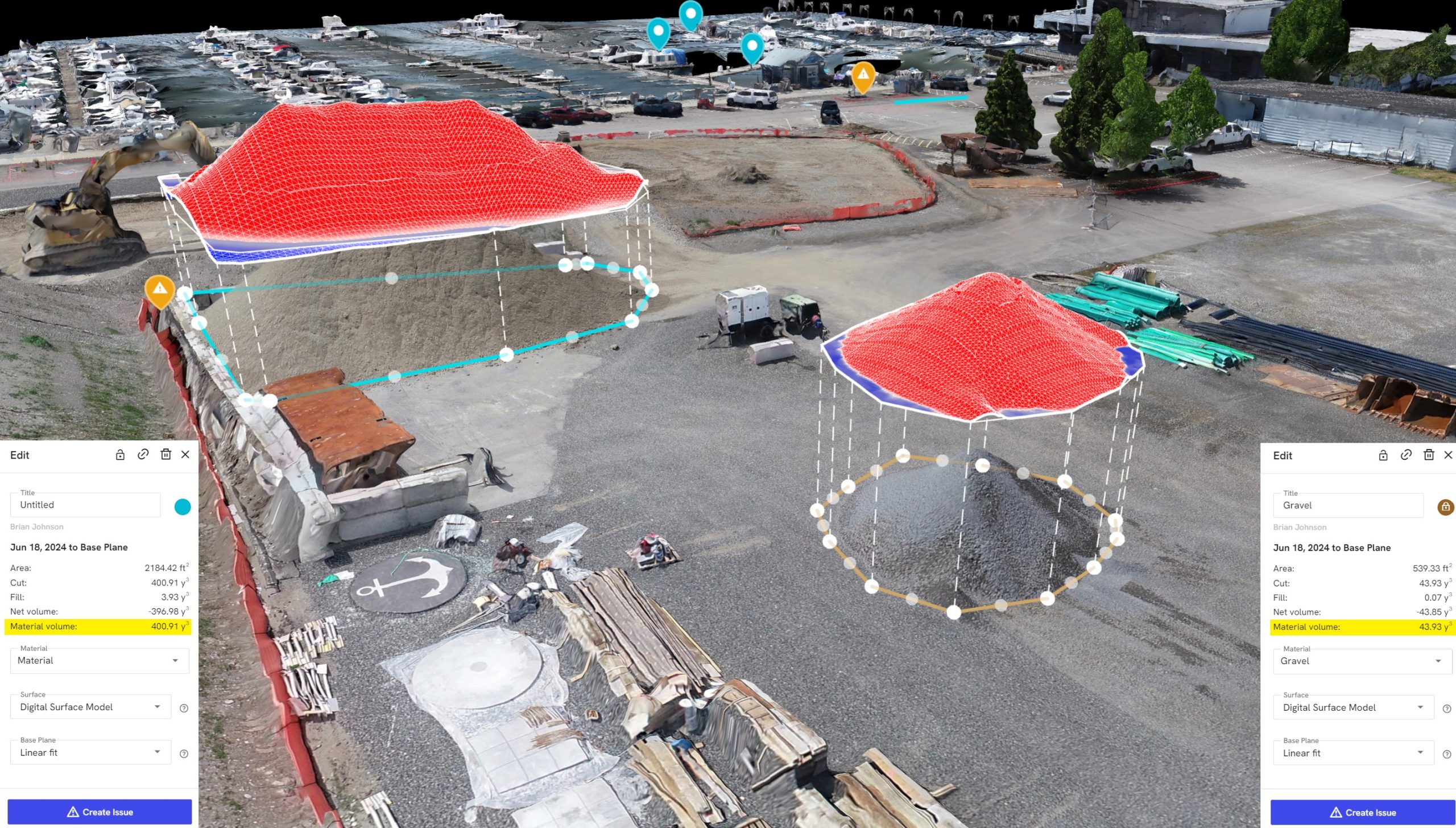
PROJECT VISIBILITY AND DATA-DRIVEN INSIGHTS
Gain a bird’s-eye view of your entire site, including structures, materials, and equipment, with our high-resolution aerial surveys, 3D mapping, and data collection solutions. This valuable data empowers you to:
-
Pre-Construction Site Assessment: Make informed decisions with a clear understanding of your site conditions before breaking ground.
-
Accurate Site Mapping & Modeling: Develop detailed 3D models for precise planning, design, and cost estimation.
-
Efficient Measurement & Monitoring: Track excavation depths, stockpile volumes, and overall project progress with pinpoint precision.
-
Enhanced Safety & Security: Monitor jobsite activity and identify potential hazards from a safe distance, minimizing risk for your workforce.
-
Detailed Inspections: Safely inspect hard-to-reach areas or those deemed dangerous for human crews.
Five Ways Building Information Modeling (BIM) Saves Time, Reduces Costs, and Prevents Headaches
Building Information Modeling (BIM) is a core part of how TRICO plans and delivers both new construction and tenant improvement projects. Together with Virtual Design and Construction (VDC), modeling improves coordination, clarifies scope, and supports decision-making from concept through completion. Below are five practical ways BIM adds value throughout the construction process.
1. Save Costs and Reduce Risks
Digital Modeling brings clarity early in the process. By visualizing how each system and structure fits together, teams can identify conflicts, refine quantities, and improve cost accuracy before construction begins.
BIM reduces the need for repetitive plan reviews and helps prevent costly field changes. Running virtual clash detection and simulations allows potential issues to be addressed in preconstruction—before they create delays or safety concerns in the field. Trade partners can also receive customized model views specific to their scope of work, improving understanding and communication. All of this saves you time, money and reduces risk.
2. Improve Collaboration
Construction requires coordination across many complex disciplines. BIM provides a shared model environment where design teams, engineers, trade partners, and owners can work from the same information. Automated clash detection highlights conflicts between structural, mechanical, electrical, and plumbing systems, allowing them to be resolved long before materials are ordered or installed.
Changes, RFIs, and field updates can be integrated directly into the model, keeping all teams aligned on current information and reducing communication gaps and late-stage surprises.
3. Enhance Quality Control
Laser scanning, LIDAR, and photogrammetry paired with BIM can improve accuracy during construction and after major scopes of work are complete. Scans verify as-built conditions and enable real-time adjustments, ensuring the project remains true to its design intent.
This same approach supports remodels or additions, where existing structures must tie into new systems with precision. Accurate modeling minimizes field corrections, streamlines punch lists, and helps deliver clean, verifiable turnover packages.
4. Support Safety and Site Logistics Planning
BIM is a powerful tool for planning safe and efficient job sites. Models help define access routes, laydown areas, and safe zones before mobilization begins. This is especially valuable for projects in occupied or sensitive environments such as educational campuses, high-tech research facilities, operational medical centers, and emergency service buildings.
By visualizing site logistics, field crews can plan ingress and egress, equipment staging, and pedestrian safety around ongoing operations—reducing exposure and improving coordination with facility staff.
5. Connect the Field and Office
With mobile access to BIM models and DroneDeploy data, TRICO’s field and office teams share the same visual information in real time. Updated models, drone imagery, and progress overlays provide an accurate view of current conditions and help teams verify work against the plan.
This connectivity supports faster decision-making and clearer communication with clients and trade partners alike.
At TRICO, BIM and VDC are practical tools that help our teams plan better, build safer, and deliver projects with greater confidence. By integrating modeling, scanning, and drone data, we give owners and field teams a clear view of every step in the construction process—before, during, and after work is complete.

Call on TRICO for Your Design and Construction Needs
TRICO welcomes the opportunity to become a part of your team and build the success of your company. We offer much more than construction. We are an invaluable resource during preconstruction whether using the design-build or design-assist (with your architect) project delivery model. For more information, call or email us at your convenience.
"*" indicates required fields